Security Guard No-Shows: Root Causes and Modern Solutions That Actually Work
 Sam Abelyan •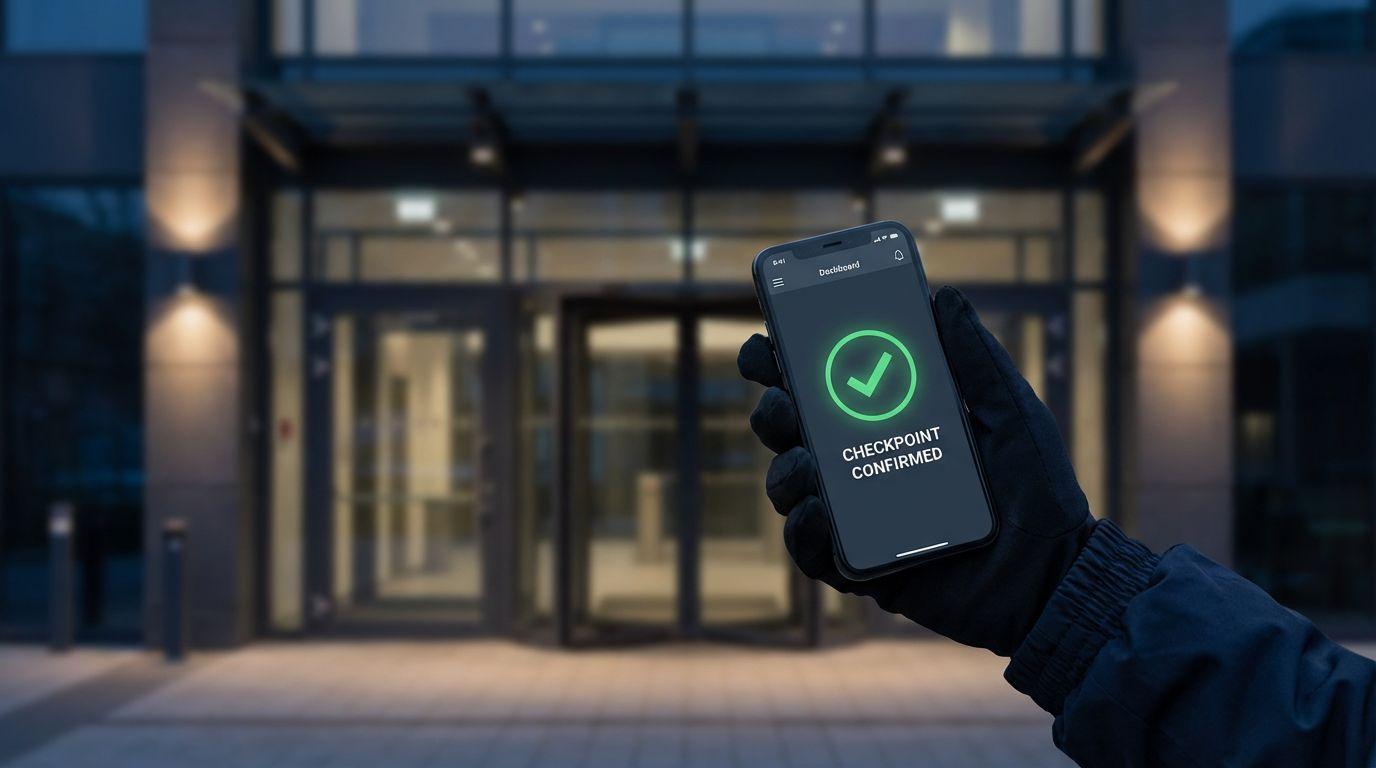
Security companies face a simple equation: when guards don't show up, clients don't get protected. The math gets uglier from there. Research shows that reducing no-shows by just 5% can increase revenue by $51,769.[1] Yet the security industry continues to experience annual turnover rates exceeding 100%, with no-shows playing a central role in that dysfunction.
The traditional approach treats no-shows as individual failures. Management calls the missing guard, scrambles to find a replacement, and moves on until it happens again tomorrow. This reactive cycle burns resources, damages client relationships, and ignores the systemic issues driving the behavior.
Modern security operations require a different framework. AI-powered platforms like Guard Owl now enable companies to identify no-show patterns before they happen, address root causes proactively, and build systems that make showing up the path of least resistance for guards. The technology exists to reduce no-shows by 60% or more, the question is whether security companies choose to implement it.
Root causes of security guard no-shows
No-shows don't happen in a vacuum. They emerge from specific, identifiable failures in how security companies manage their workforce. Understanding these causes matters because solutions that address symptoms while ignoring root problems simply move the dysfunction around.
Work-life balance and scheduling issues
The security industry operates 24/7, but guards still have families, second jobs, and personal obligations. When scheduling systems don't account for these realities, no-shows become inevitable.
Common scheduling failures:
-
Last-minute shift assignments with insufficient notice
-
Rotating schedules that prevent guards from planning personal commitments
-
Lack of flexibility for family emergencies or medical appointments
-
Overtime requirements that conflict with second jobs
Research indicates that 2 in 5 security guards cite lack of family time as a primary concern, a warning signal that rigid scheduling practices directly contribute to attendance problems.
Communication gaps and inconsistencies
Guards can't comply with expectations they don't understand. When communication about schedules, site requirements, or policy changes happens through fragmented channels, confusion drives no-shows.
Typical communication breakdowns:
-
Schedule changes communicated verbally with no written confirmation
-
Multiple supervisors providing conflicting instructions
-
No centralized system for guards to confirm assignments
-
Lack of two-way communication for guards to report conflicts
The gap between what management thinks it communicated and what guards actually understood creates a predictable failure pattern.
Inconsistent enforcement of policies
When some guards face consequences for no-shows while others don't, the policy becomes meaningless. Inconsistent enforcement sends a message that attendance standards are negotiable.
This inconsistency typically stems from supervisor discretion, favoritism, or reactive management that only enforces rules during crises. Guards quickly learn which supervisors tolerate no-shows and adjust their behavior accordingly.
Limited visibility and real-time information
Traditional security operations rely on phone calls to confirm guard arrivals. By the time management realizes a guard hasn't shown up, the client site is already unprotected.
Visibility gaps include:
-
No automated confirmation of guard arrivals
-
Inability to track guards in transit to assignments
-
Delayed notification when guards fail to check in
-
No historical data to identify chronic no-show patterns
Without real-time visibility, security companies remain perpetually reactive, discovering problems only after they've already impacted clients.
Impact of no-shows on security operations
The cost of no-shows extends far beyond the immediate scramble to find replacement coverage. Each incident creates ripple effects that compound over time, degrading both financial performance and operational capability.
Revenue loss and reputational damage
Each no-show event costs approximately $89 in direct expenses: replacement guard coordination, overtime premiums, administrative overhead.[1] But the larger damage comes from client relationships.
When clients discover their site went unprotected, even temporarily, trust erodes. Security companies exist to provide reliability, and no-shows directly contradict that value proposition. Clients may reduce contract scope, demand discounts, or terminate relationships entirely.
The reputational impact spreads through word-of-mouth and online reviews, making it harder to win new business. In an industry where trust is the primary product, no-shows become a competitive liability.
Operational disruption and service quality
No-shows force supervisors into constant crisis management. Instead of focusing on service quality, training, or business development, management spends hours each week filling emergency coverage gaps.
The operational cascade:
-
Guard fails to show up at client site
-
Client calls to report missing coverage
-
Supervisor drops current work to find replacement
-
Available guards get pulled from other assignments or called in on off-days
-
Rushed replacements lack proper site briefing
-
Service quality deteriorates across multiple sites
This reactive cycle prevents security companies from building proactive operational excellence. Energy spent managing crises can't be invested in improvement.
Modern solutions: Technology at the forefront
Technology fundamentally changes the no-show equation by making attendance visible and automatically enforced. Rather than relying on guards to self-report or supervisors to manually track, modern systems create accountability through real-time data.
Real-time monitoring and alerts
GPS-enabled check-in systems confirm when guards arrive at client sites, instantly alerting management to potential no-shows before clients notice problems. This technology shift moves companies from reactive discovery to proactive intervention.
Automated guard tracking creates a digital footprint for every shift. Guards check in via mobile app, management sees confirmations in real-time, and clients receive automated status updates. When a guard fails to check in within the expected window, supervisors get immediate alerts while there's still time to deploy backup coverage.
Guard Owl's platform exemplifies this approach. Mobile patrol routes with turn-by-turn navigation and continuous GPS tracking confirm guard locations throughout their shifts—not just at clock-in. Management knows when guards leave for assignments, when they arrive on-site, and when they complete their routes. The system identifies potential no-shows while there's still time to respond.
The technology also enables historical pattern analysis. Management can identify guards with chronic late arrivals, track no-show rates by location or time of day, and address problems before they escalate.
Automated scheduling and shift replacement
Modern scheduling platforms eliminate the communication gaps that cause accidental no-shows. Guards see their assignments in mobile apps, receive push notifications for schedule changes, and confirm availability through digital workflows.
Key automation features:
Feature
Traditional Method
Automated Solution
Schedule distribution
Phone calls, text messages
Mobile app with push notifications
Availability tracking
Supervisor memory, spreadsheets
Digital calendar with guard input
Shift confirmations
Assumed unless guard calls off
Required digital confirmation
Coverage gaps
Discovered when guard doesn't show
Identified when confirmation deadline passes
Shift replacement
Hours of phone calls
AI agents fill shifts in minutes
Automation removes ambiguity. Guards can't claim they didn't receive the schedule when the system shows notification delivery and read receipts. Management can't claim guards confirmed when the digital record shows otherwise.
Guard Owl's AI agents take this further by automating shift replacement entirely. When a guard calls off, the system immediately identifies qualified replacements based on certifications, availability, and proximity—then sends shift offers directly to guards' phones. Most shifts fill within 5-15 minutes instead of 2-4 hours of manual phone calls.
Mobile-first operational tools
Security guards work in the field, not offices. Mobile-first tools meet guards where they already spend their time: on their phones.
Mobile platforms enable guards to:
-
View upcoming shifts and receive schedule updates
-
Clock in/out with GPS verification
-
Report incidents and complete site reports
-
Communicate with supervisors through structured channels
-
Access site-specific procedures and client requirements
-
Accept open shifts through a self-service marketplace
By making compliance easier than non-compliance, mobile tools reduce the friction that drives no-shows. Guards don't need to call dispatch, check paper schedules, or wonder about assignment details. Everything lives in one accessible platform.
How Guard Owl solves the no-show problem
Guard Owl combines physical security services with AI-powered management software designed specifically to address the systemic causes of no-shows. The platform recognizes that attendance problems stem from operational failures, not individual character flaws.
Targeting root causes directly
The platform addresses each gap identified in traditional security operations:
Real-time visibility: Mobile patrol routes with turn-by-turn navigation and GPS tracking confirm guard locations continuously. Management knows when guards leave for assignments, when they arrive on-site, and when they complete their routes. No-shows get detected in minutes, not hours.
Automated communication: AI agents handle routine reporting and dispatching, eliminating the phone-tag communication patterns that create confusion. Guards receive clear instructions through standardized channels with delivery confirmation.
Proactive scheduling: The system identifies potential coverage gaps before shifts begin, prompting management to confirm backup coverage while there's still time to respond. When guards call off, AI agents automatically find qualified replacements.
Consistent enforcement: Digital records create an objective attendance history. When disciplinary decisions become necessary, they're based on verified data rather than supervisor recollection or bias.
Measurable outcomes
The impact of AI-powered security operations centers on prevention rather than reaction. Companies using Guard Owl report significant reductions in no-show incidents because the system addresses root causes.
Quantified results:
-
60% reduction in no-show related client complaints
-
20% operational cost savings through improved scheduling efficiency
-
98% report accuracy with automated incident documentation
-
15,000+ hours saved on administrative tasks that previously required manual coordination
-
95%+ shift fill rate when guards do call off (vs. 85-90% industry average)
These metrics reflect a fundamental operational shift. Instead of spending resources to manage crises, security companies invest in systems that prevent crises from happening.
Taking action: Implementing effective strategies
Reducing no-shows requires intentional change across multiple operational areas. Technology provides the tools, but implementation determines whether those tools create actual improvement.
Steps to modernize security operations
1. Audit current attendance patterns
Before implementing solutions, identify where and when no-shows occur most frequently. Track no-show rates by guard, client site, day of week, and shift type. This data reveals whether the problem is systemic or concentrated in specific areas.
2. Assess communication infrastructure
Map how information currently flows between management and guards. Identify points where messages get lost, delayed, or misunderstood. Look for guards who claim they never received schedules that management insists were sent.
3. Standardize policies and enforcement
Document clear attendance expectations and consequences. Ensure all supervisors understand and apply the same standards. Remove discretionary enforcement that creates perceived unfairness.
4. Select technology that fits operational reality
Not all security software addresses no-show prevention. Prioritize platforms that offer:
-
Mobile-first design for field workers
-
Real-time GPS verification
-
Automated alerts for missing check-ins
-
AI-powered shift replacement when guards call off
-
Historical reporting to identify patterns
-
Integration with existing scheduling workflows
Guard Owl meets all these criteria with a platform built specifically for security operations. The AI-native architecture addresses no-shows systemically rather than just flagging them after they happen.
5. Train thoroughly and consistently
Technology only works if guards actually use it. Provide hands-on training during onboarding and refresher sessions for existing staff. Address technical barriers (older phones, limited data plans) that prevent consistent adoption.
Integrating AI solutions
AI-powered security management platforms handle the routine monitoring and alerting that previously required constant supervisor attention. This automation doesn't replace management but elevates their focus to strategic issues that require human judgment.
Implementation typically follows a phased approach:
Phase 1: Visibility foundation Deploy GPS-enabled check-in systems across all sites. Establish the digital infrastructure that makes attendance measurable and verifiable.
Phase 2: Automated workflows Add scheduling automation, push notifications, and digital confirmation requirements. Remove manual communication bottlenecks.
Phase 3: AI-powered replacement Implement AI agents that automatically fill open shifts when guards call off. This eliminates the scramble that makes no-shows so disruptive.
Phase 4: Predictive analytics Use historical data to identify guards at risk of no-shows based on pattern analysis. Intervene proactively with schedule adjustments or targeted support.
Phase 5: Continuous optimization Review attendance data regularly to identify new patterns and refine systems. Technology should evolve as operational needs change.
Future-proof your security operations
The security industry's no-show problem isn't going away through wishful thinking or occasional discipline. It requires systematic change in how companies schedule, communicate with, and monitor their workforce.
Technology has moved beyond expensive enterprise solutions accessible only to large operations. Modern platforms like Guard Owl offer subscription-based pricing that makes advanced tools available to security companies of any size. The question isn't whether to adopt these systems but whether to adopt them proactively or wait until client losses force the issue.
Companies that treat no-shows as individual failures will continue experiencing individual failures, repeatedly. Organizations that recognize no-shows as symptoms of operational gaps can fix those gaps systematically. The tools exist. The data proves their effectiveness. Implementation becomes the only remaining barrier.
Security companies exist to provide reliability. When guards don't show up, that core value proposition fails. Guard Owl and similar AI-powered platforms eliminate that failure point not by controlling guards more tightly, but by building systems that make compliance easier than non-compliance.
FAQ
What technology reduces security guard no-shows most effectively?
AI-powered platforms with real-time GPS tracking, automated scheduling, and AI-driven shift replacement reduce no-shows most effectively. Guard Owl's platform addresses the root causes—communication gaps, scheduling friction, and slow replacement processes—rather than just detecting no-shows after they happen. Companies using these systems report 60% reductions in no-show related complaints.
How quickly can AI fill an open shift when a guard calls off?
Guard Owl's AI agents typically fill open shifts within 5-15 minutes. The system automatically identifies qualified guards based on certifications, availability, and proximity, then sends shift offers directly to their phones. This compares to 2-4 hours for manual phone-tree processes, during which client sites may go unprotected.
What's the ROI of implementing no-show prevention technology?
Security companies using AI-powered scheduling and tracking platforms report 20% operational cost savings, primarily from reduced administrative time and fewer emergency overtime costs. With each no-show costing approximately $89 in direct expenses plus client relationship damage, even modest reductions in no-show rates generate significant returns.
References
[1] Research team. "Academic dissertation on no-show behavior patterns." sigmarepository.org, Unknown. https://www.sigmarepository.org/cgi/viewcontent.cgi?article=2473&context=dissertations
Automate Your Security Operations
Stop managing security operations manually. Guard Owl's AI-powered platform automates shift tracking, incident reporting, and digital supervision to streamline your security operations.
Trusted by security companies and operations teams.